- Barcode / RFID / Vision
- Bulk Wire & Cable
- Cables (Terminated)
- Circuit Protection / Fuses / Disconnects
- Communications
- Drives & Soft Starters
- Enclosure Thermal Management & Lights
- Enclosures & Racks
- Field I/O
- HMI (Human Machine Interface)
- Hydraulic Components
- Motion Control
- Motor Controls
- Motors
- Pneumatic Components
- Power Products (Electrical)
- Power Transmission (Mechanical)
- Process Control & Measurement
- Programmable Controllers
- Pushbuttons / Switches / Indicators
- Relays / Timers
- Safety
- Sensors / Encoders
- Stacklights
- Structural Frames / Rails
- Tools & Test Equipment
- Valves
- Water (Potable) Components
- Wire & Cable Management
- Wire & Cable Termination
- Retired Products
Configuration Utilities
- PLC Family Selector
- P1000 PLC Systems
- P2000 PLC Systems
- P3000 PLC Systems
- ProductivityCODESYS
- CLICK PLC Systems
- Do-more® BRX PLC Systems
- LS-Electric® XGB PLC Systems
- Productivity®Open Systems
- Datalogic® Safety Light Curtains
- LS-Electric® Servo Systems
- Nitra® Pneumatic Grippers
- Object Detection (Sensors)
- PAL Controller Configurator
- Precision Gearbox Selector
- Protos X® Field I/O
- Pyrometers Selector
- Quadritalia® Modular Enclosures
- Soft Starters
- Stepper System Selector
- SureFrame T-slot Extrusion
- SureMotion® XYZ Gantry
- SureServo2® System Selector
- SureStep® Linear Actuators
- Timing Belts & Pulleys
- Werma® Stacklights
- ZIPLinks

Motors
Motors are the power transmission workhorse of industry, converting electrical energy into mechanical movement. Selecting an AC motor or DC motor for an application depends on considerations such as power, speed control, cost and ease of maintenance.

This page will refresh momentarily.
Warning
Some of the selected facets have been selected by the {{ assistanceData.title }} Help.
Resetting/clearing ALL facets will end {{ assistanceData.title }} Help.
![Help icon]() Selection Assistance - {{ assistanceData.title }}
Selection Assistance - {{ assistanceData.title }}


Electric motors are the workhorses of industry, responsible for much of the movement and rotation that needs to be done. Modern electric motors are extremely efficient and reliable, and are available in both AC- and DC-powered designs.
 Electric Motors Overview
For part listing and specifications, go to Shop Now
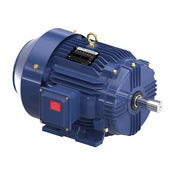
AC Motors
AC motors convert electrical energy into mechanical movement. Pervasive in factory and commercial applications, AC motors have a lower maintenance requirement than DC motors, and when paired with a VFD, can offer similar performance in torque.
- General purpose and inverter rated
- High-performance inverter duty
- 4 in 1
- Stainless steel / washdown duty
- Conveyor/farm duty
- Hazardous location
- Centrifugal jet pump
- Severe duty
- IEC motors
- Brake motors
AC motor accessories help complete installation.
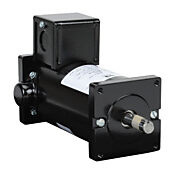
DC Motors
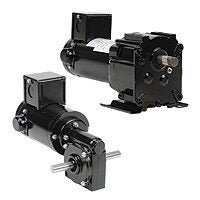
DC Gearmotors
DC gearmotors provide high torque at low speeds, and are designed for use on an unfiltered SCR (Thyristor) rectified AC input. They may also be used with PWM (pulse width modulated) DC variable speed drives or across-the-line applications.
IronHorse DC gearmotors up to 1/4hp are available in a variety of operating voltages, with parallel or right-angle output shafts.
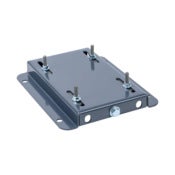
AC Motor Bases
Newest Additions!
- IronHorse AC motor bases
Motor bases are a convenient way to mount and adjust the position of AC motors. Models available include adjustable, pivot, and automatic motor bases, which automatically compensate for variations in load. A wide selection of frame sizes is available.